


Completing detox or residential treatment is a powerful achievement, but it is not the finish line. Recovery is an ongoing journey that requires continued support, structure, and care long after you leave a treatment facility. Without a thoughtful plan for what comes next, the transition back to daily life can feel overwhelming and increase the risk of returning to old patterns.
At Bear Creek Wellness, we understand that lasting transformation happens when treatment does not simply end but rather evolves. Continuity of care through structured step-down programs ensures you maintain the progress you have made while building the skills and confidence needed for long-term healing.
What Is Continuity of Care in Addiction Recovery?
Continuity of care refers to the seamless transition between different levels of treatment as your needs change. Rather than experiencing a sudden drop-off after inpatient residential treatment, continuity of care provides ongoing support through programs like Partial Hospitalization (PHP) and Intensive Outpatient Programs (IOP).
This approach ensures you remain connected to professional support, therapeutic guidance, and a recovery-focused community as you gradually reintegrate into your life. It is about honoring the healing work you have begun while recognizing that transformation takes time.
Why Detox Alone Is Not Enough
Detox centers in Montana provide critical medical stabilization by safely managing withdrawal symptoms, but detox only addresses physical dependence. It does not treat the underlying emotional, psychological, or behavioral patterns that contribute to substance use.
Without continuing care after detox, individuals often return to the same environments, stressors, and triggers without the coping skills or support systems needed to navigate them successfully. Detox is the essential first step, but it is just the beginning of your healing journey.
Recovery requires healing the whole person across mind, body, and spirit, which is why residential treatment and follow-up care are essential components of lasting change.
The Benefits of Structured Step-Down Care
Transitioning from inpatient treatment in Montana directly back to everyday responsibilities can be jarring. Step-down programs like PHP and IOP offer a gradual, supportive bridge that helps you:
- Reinforce Skills: Practice coping strategies, relapse prevention techniques, and healthy routines in real-world settings while receiving professional guidance.
- Maintain Accountability: Regular therapy sessions, group support, and check-ins help you stay connected to your recovery goals during early reintegration.
- Address Challenges Quickly: Immediate access to clinical support ensures emerging stressors or triggers are managed before escalating into crisis.
- Build a Support Network: Connect with peers in recovery, mentors, and community resources that become vital parts of your long-term support system.
Maintaining Stability After Inpatient Treatment
The period following residential treatment is often when individuals feel most vulnerable. You have made significant progress in a safe, structured environment, but re-entering daily life brings complexities, responsibilities, and potential triggers. Having continued support makes all the difference.
Continuity of care helps maintain stability by:
- Providing ongoing therapy to process emotions and challenges as they arise
- Offering peer support through group sessions to share experiences and learn from others
- Monitoring mental health to address co-occurring conditions like anxiety or depression
- Encouraging healthy routines around sleep, nutrition, physical activity, and self-care
- Connecting you with community resources such as mutual support groups or sober living options
This layered support reduces isolation, builds resilience, and reinforces the truth that recovery is possible even when life feels difficult.
How PHP and IOP Support Long-Term Recovery
Partial Hospitalization Programs (PHP) typically involve several hours of treatment per day, several days per week. They are ideal for individuals stepping down from residential care who need intensive support but are ready to begin spending time at home or reconnecting with their community.
Intensive Outpatient Programs (IOP) offer fewer weekly hours while still providing structured therapy and accountability. IOP works well for those transitioning from PHP or for individuals balancing recovery with work, school, or family commitments.
Both programs integrate evidence-based therapies with holistic, nature-rooted modalities, like mindfulness practices and experiential activities, that align with the healing foundation built during residential care.
Begin Your Journey Toward Lasting Healing
Recovery does not end when treatment does, but rather evolves into a lifelong journey of growth, connection, and rediscovering your purpose. At Bear Creek Wellness, we are committed to walking alongside you every step of the way, from medically supervised detox through residential care and meaningful aftercare support.
You do not have to face this journey alone. If you or someone you love is ready to begin healing in a compassionate, nature-rooted environment where transformation happens at every level, reach out to us today. Let us walk this path together toward hope, healing, and lasting change.
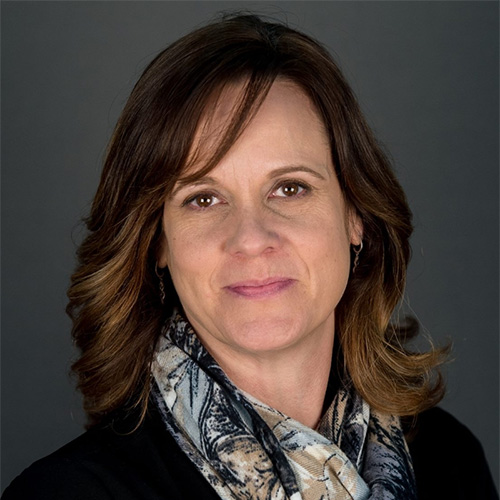
Andrea was born and raised in Spokane Washington, she moved to Montana with her husband in 2015. Andrea has been in the field of counseling since 2009. As a licensed addiction counselor, she worked primarily in addiction until 2018 when she completed her master’s degree in marriage and family therapy and became a license clinical professional counselor and a licensed marriage and family therapist. Andrea has worked with diverse populations and found her calling working with individuals and couples struggling with substance use and its relational impact. With a passion for recovery and healing families, Andrea has built a private practice in Missoula, MT and serves various populations. Andrea’s love for people and her desire to engage with, and promote, internal healing has fostered a truly unique role aiding individualized journeys in recovery. In her spare time, she enjoys her beautiful property west of Missoula with nature at her front and back doors. Her greatest joy in life is spending time with her granddaughter and breaking the cycle of addiction in her own family.