


When you’re struggling with substance use and mental health challenges at the same time, it can feel overwhelming, like you’re fighting two battles at once. The truth is, these conditions often go hand in hand, and healing requires addressing both together. Understanding co-occurring disorders and finding the right dual diagnosis treatment Montana offers can be the first step toward lasting transformation and peace.
What Are Co-Occurring Disorders?
Co-occurring disorders, also called dual diagnosis, occur when someone experiences both a substance use disorder and a mental health condition simultaneously. Research from the Substance Abuse and Mental Health Services Administration shows these conditions frequently develop together, with each one influencing and sometimes intensifying the other.
You’re not alone in this experience. Many people who seek help at a Montana drug rehab discover they’ve been navigating both addiction and underlying mental health struggles for years, often without realizing the deep connection between them. Recognizing this relationship is an important step toward healing that acknowledges your full experience rather than just a single symptom.
Most Common Co-Occurring Mental Health Conditions
Several mental health conditions frequently appear alongside substance use:
- Depression: Persistent sadness, hopelessness, and loss of interest in activities can lead individuals to self-medicate with alcohol or drugs, seeking temporary relief from emotional pain
- Anxiety Disorders: Including generalized anxiety, social anxiety, and panic disorder—substances may temporarily ease symptoms but ultimately intensify them over time.
- Post-Traumatic Stress Disorder (PTSD): Trauma survivors often turn to substances to numb painful memories and emotional distress, creating a cycle that prevents true healing
- Bipolar Disorder: Mood swings and manic episodes can lead to impulsive substance use, while depressive episodes may trigger attempts to self-soothe through drugs or alcohol
- Attention-Deficit/Hyperactivity Disorder (ADHD): The challenges of focus and impulse control can increase vulnerability to substance misuse as a coping mechanism
Understanding which conditions you’re facing helps create a personalized path forward—one that addresses your whole experience, honoring every aspect of who you are and what you’ve been through.
How Symptoms Overlap and Complicate Diagnosis
Co-occurring disorders are challenging to identify because their symptoms often mirror and mask each other. For example, sleep disturbances can result from anxiety, depression, substance withdrawal, or all three simultaneously. Mood changes might stem from bipolar disorder, the effects of drug use, or both working together. Social withdrawal could indicate depression or be a consequence of addiction’s isolating nature—or a combination that feeds into itself.
This overlap is why specialized dual diagnosis treatment Montana centers like Bear Creek Wellness take time to conduct thorough, compassionate assessments. When you’re not sure where one condition ends and another begins, having professionals who understand these complexities becomes essential. You deserve care providers who see the full picture and meet you with understanding rather than judgment.
Without integrated care, you might find yourself in a frustrating cycle of treating the substance use without addressing the mental health condition that contributed to it, or managing mental health symptoms while the addiction remains untreated. This fragmented approach rarely leads to lasting transformation.
The Benefits of Integrated Treatment for Co-Occurring Disorders
Integrated treatment means addressing both your substance use and mental health concerns simultaneously, with a coordinated approach that recognizes how deeply connected they are. This whole-person perspective honors the complexity of your experience and creates space for genuine healing.
Comprehensive Assessment and Personalized Care
At a quality Montana drug rehab offering dual diagnosis services, treatment begins with understanding your unique story. Clinicians evaluate both conditions together, creating a treatment plan tailored specifically to your needs, not a one-size-fits-all approach.
Evidence-Based and Holistic Therapies Combined
Effective dual diagnosis care blends proven clinical interventions with holistic healing modalities:
- Individual therapy to process trauma and develop healthy coping strategies
- Medication management is necessary for mental health stability
- Group therapy to build connections and reduce isolation
- Nature-based activities that calm the nervous system and promote mindfulness
- Experiential therapies like equine therapy that help process emotions non-verbally
This comprehensive approach treats your whole self, addressing root causes rather than just managing symptoms.
Better Long-Term Outcomes and Sustainable Recovery
When both conditions receive simultaneous attention, recovery becomes more sustainable. Studies show that integrated treatment leads to significantly better outcomes than treating conditions separately.
Healing in Montana’s Wilderness Setting
The peaceful Montana landscape offers something unique for dual diagnosis recovery, a chance to step away from daily stressors and reconnect with yourself in nature’s calming presence. Mountains, open skies, and the quiet of a ranch-style environment create space for deep healing.
There’s something transformative about being surrounded by nature’s rhythms. The wilderness invites you to slow down, breathe deeply, and find clarity that gets lost in the noise of everyday life.
Begin Your Healing Journey Today
You deserve treatment that sees you as a whole person, not just a diagnosis or a set of symptoms. At Bear Creek Wellness, our compassionate team provides personalized dual diagnosis treatment Montana residents trust, combining clinical expertise with nature-based healing in a peaceful residential setting where genuine transformation becomes possible.
Healing is within reach. You don’t have to face this alone anymore. Reach out today to learn how we can support your recovery journey with understanding, expertise, and hope.
Sources:
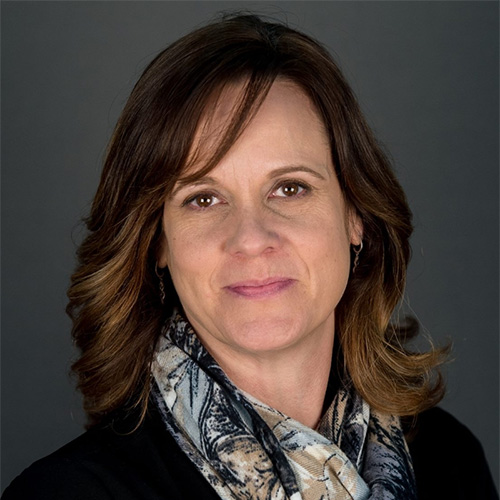
Andrea was born and raised in Spokane Washington, she moved to Montana with her husband in 2015. Andrea has been in the field of counseling since 2009. As a licensed addiction counselor, she worked primarily in addiction until 2018 when she completed her master’s degree in marriage and family therapy and became a license clinical professional counselor and a licensed marriage and family therapist. Andrea has worked with diverse populations and found her calling working with individuals and couples struggling with substance use and its relational
impact. With a passion for recovery and healing families, Andrea has built a private practice in Missoula, MT and serves various populations. Andrea’s love for people and her desire to engage with, and promote, internal healing has fostered a truly unique role aiding individualized journeys in recovery. In her spare time, she enjoys her beautiful property west of Missoula with nature at her front and back doors. Her greatest joy in life is spending time with her granddaughter and breaking the cycle of addiction in her own family.