


Watching someone you love struggle is one of the hardest experiences you will ever face. When you suspect drug addiction may be affecting a family member or close friend, it is natural to feel confused, scared, or unsure of what to do next. Recognizing the signs early and approaching the conversation with compassion can be the first step toward healing, both for them and for your entire family.
At Bear Creek Wellness, we understand how overwhelming this moment can be. Our drug addiction treatment Montana programs support not only individuals in recovery but also the families who love them. Here is what to look for, along with practical guidance on how to begin a conversation rooted in care rather than judgment.
Common Signs of Substance Use Disorder to Watch For
Addiction affects every person differently, and signs can vary based on the substance, frequency of use, and individual circumstances. These changes often develop gradually, making them easy to overlook at first.
Physical Changes
- Sudden weight loss or gain
- Changes in sleep patterns, including insomnia or excessive sleeping
- Bloodshot eyes, dilated or constricted pupils
- Poor hygiene or neglecting personal appearance
- Unexplained injuries or frequent illness
- Tremors or changes in coordination
Behavioral Shifts
- Withdrawing from family, friends, or activities they once enjoyed
- Secretive behavior or lying about whereabouts
- Financial problems or an unexplained need for money
- Missing work, school, or important commitments
- New social circles or increased isolation
- Difficulty maintaining daily responsibilities
Emotional and Psychological Indicators
- Mood swings or increased irritability
- Anxiety, depression, or emotional numbness
- Defensiveness when questioned about behavior
- Loss of motivation or interest in previously meaningful activities
- Unexplained paranoia or agitation
Important note: Noticing one or more of these signs does not necessarily mean someone is struggling with substance use. These changes can also relate to mental health concerns, stress, or medical conditions. What matters most is opening a compassionate dialogue and seeking professional guidance when concerns persist.
Why Signs Vary and What That Means
Every person’s relationship with substances is unique. The type of drug, duration of use, co-occurring mental health conditions, and personal history all influence what you might observe. Some individuals may appear highly functional while still struggling deeply inside, while others may show more visible signs of distress. Understanding how family dynamics impact recovery outcomes is essential for navigating these relationships during active addiction.
This is why a comprehensive drug treatment center in Montana programs like ours emphasize personalized, trauma-informed care. There is no one-size-fits-all approach to addiction, nor is there a single way to support someone through recovery.
How to Start the Conversation with Compassion
Beginning this conversation takes courage and heart. Here is how to approach it with love and respect:
- Choose the Right Time and Place: Pick a calm, private moment when neither of you is rushed, upset, or under the influence. Avoid confronting someone in front of others or during a crisis. A peaceful setting helps create space for honest dialogue.
- Use “I” Statements: Instead of using accusatory language, share your personal observations and feelings gently:
- “I have noticed you have seemed more withdrawn lately, and I am worried about you.”
- “I care about you, and I want to understand what is going on.”
- “I have seen some changes that concern me, and I am here to support you.”
- Listen Without Judgment: Give them space to share their experience. Even if what they say is hard to hear, respond with empathy rather than blame. Shame often deepens addiction, whereas compassion opens the door to healing.
- Avoid Diagnosing or Forcing Solutions: You do not need to have all the answers. Your role is to express concern and offer support. Let trained professionals provide assessments and treatment recommendations tailored to their unique situation.
- Offer Hope and Next Steps: Let them know that help is available and recovery is possible. Mention options like professional assessment, counseling, or residential treatment in a supportive, nature-based environment.
What Comes Next: Assessment and Support
If your loved one is open to help, the next step is connecting with professionals who provide comprehensive evaluation and individualized care. Through our specialized drug addiction program, we provide:
- Confidential assessments to understand each person’s unique needs and create an individualized treatment plan
- Medically supervised detox in a safe, peaceful setting
- Residential treatment combining evidence-based therapies with nature-based, holistic healing
- Family support and intervention services to guide loved ones through this transformative process
Recovery involves more than stopping substance use. It is about healing the mind, body, and spirit in a compassionate environment where true transformation can take root. In Montana’s healing wilderness, clients rediscover purpose, rebuild connection, and create sustainable long-term recovery.
You Don’t Have to Navigate This Alone
If you are concerned about someone you love, reaching out for guidance is a courageous act of care. At Bear Creek Wellness, our compassionate team understands what you are going through. We are here to help you navigate this journey with clinical expertise, warmth, and hope.
Ready to take the next step? Contact Bear Creek Wellness today or call our admissions team directly to speak with a specialist. Healing begins here, in Montana’s peaceful wilderness, where transformation becomes possible.
Source:
[1] https://nida.nih.gov/publications/drugs-brains-behavior-science-addiction/treatment-recovery
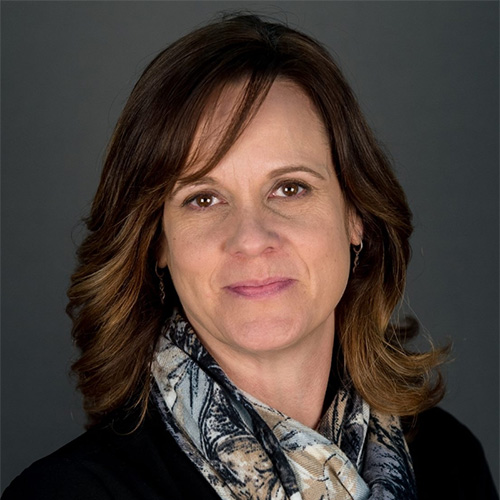
Andrea was born and raised in Spokane Washington, she moved to Montana with her husband in 2015. Andrea has been in the field of counseling since 2009. As a licensed addiction counselor, she worked primarily in addiction until 2018 when she completed her master’s degree in marriage and family therapy and became a license clinical professional counselor and a licensed marriage and family therapist. Andrea has worked with diverse populations and found her calling working with individuals and couples struggling with substance use and its relational impact. With a passion for recovery and healing families, Andrea has built a private practice in Missoula, MT and serves various populations. Andrea’s love for people and her desire to engage with, and promote, internal healing has fostered a truly unique role aiding individualized journeys in recovery. In her spare time, she enjoys her beautiful property west of Missoula with nature at her front and back doors. Her greatest joy in life is spending time with her granddaughter and breaking the cycle of addiction in her own family.