

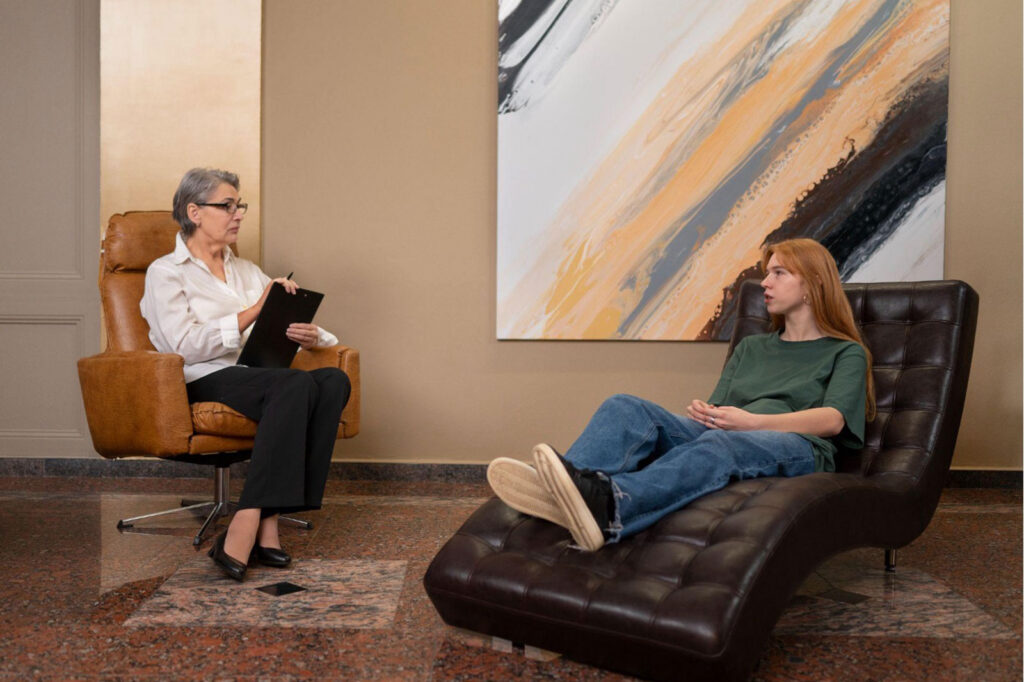
When you’ve experienced trauma, your body doesn’t simply “move on.” The nervous system holds onto those experiences, creating patterns that can fuel substance use and make recovery more complex. Understanding this connection is essential, especially when seeking drug rehab in Montana or other evidence-based care that addresses the root causes of addiction, not just the symptoms.
At Bear Creek Wellness, we recognize that healing from addiction means healing from trauma. Our trauma-informed approach helps rewire the nervous system through compassionate, nature-based care in a safe residential setting where you can reconnect with yourself and rediscover hope.
The Fight-or-Flight Response and Substance Use
Trauma activates your body’s survival system, the fight-or-flight response. When you experience something overwhelming, your nervous system shifts into high alert, flooding your body with stress hormones like cortisol and adrenaline.
For many people, this response doesn’t switch off when the danger passes. Instead, the nervous system remains stuck in a state of:
- Hyperarousal (constantly on edge)
- Hypoarousal (emotionally numb and disconnected)
Why People Turn to Substances
This is where substances often enter the picture. People use drugs or alcohol to:
- Calm an overactive nervous system
- Numb emotional pain and intrusive memories
- Create temporary relief from hypervigilance
- Feel something when disconnected from emotions
Substances become a way to self-regulate, but they only deepen the dysregulation over time, creating cycles that are difficult to break without professional support. This isn’t a character flaw or weakness; it’s your nervous system seeking relief the only way it knows how.
A dysregulated nervous system struggles to return to a balanced state after stress, staying stuck in fight-or-flight or shutdown mode.
How Trauma Increases Relapse Risk
Trauma doesn’t just contribute to the onset of substance use; it significantly increases relapse risk during recovery. Research shows that individuals with co-occurring trauma and substance use disorders face greater challenges in maintaining sobriety.
Why Trauma Makes Recovery Harder
Unprocessed trauma triggers cravings. Reminders of past experiences, certain sounds, places, or emotions can activate the nervous system and create intense urges to use.
Emotional flashbacks feel unbearable. Without substances to numb the pain, trauma survivors may feel overwhelmed by emotions they don’t yet have tools to manage.
The body craves regulation. If the nervous system hasn’t learned new ways to self-soothe, it defaults to what it knows: substance use.
This is why trauma-informed care is not optional; it’s essential. True recovery means addressing both the addiction and the underlying nervous system dysregulation caused by trauma. It’s about healing the whole person, not just achieving sobriety.
Trauma-Informed Approaches in Residential Treatment in Montana
Effective treatment recognizes that addiction is often a symptom of deeper pain. Residential treatment in Montana at Bear Creek Wellness integrates trauma-informed principles into every aspect of care, creating an environment where your nervous system can finally feel safe enough to heal.
What Trauma-Informed Care Looks Like
Safety first. Everything from how our team communicates to the peaceful physical environment is designed to help you feel secure, respected, and in control of your healing journey.
Nervous system regulation. Therapies like yoga, equine therapy, and guided nature walks help calm your body’s stress response naturally, teaching you new ways to find peace without substances.
Evidence-based trauma therapies. Modalities such as EMDR (Eye Movement Desensitization and Reprocessing) and trauma-focused cognitive behavioral therapy help process difficult memories and experiences in a supported, compassionate space.
Dual diagnosis support. Many people dealing with trauma also experience anxiety, depression, or PTSD. Our team treats co-occurring mental health conditions alongside substance use, addressing all aspects of your well-being.
Mind-body healing. Holistic practices like breathwork, art therapy, and mindfulness teach your nervous system new patterns of self-regulation, helping you build resilience from the inside out.
The Healing Power of Nature
Montana’s wilderness setting isn’t just beautiful, it’s deeply therapeutic. Time in nature has been shown to reduce stress hormones and support nervous system regulation. At Bear Creek Wellness, healing happens among mountains, open skies, and peaceful surroundings that invite your body to finally exhale. Nature becomes part of your treatment team, offering a gentle reminder that restoration and growth are possible.
Begin Your Healing Journey Today
You don’t have to carry the weight of trauma and addiction alone. At Bear Creek Wellness, we offer compassionate, evidence-based residential treatment in Montana in a peaceful setting where your mind, body, and spirit can heal together. Here, you’ll find not just treatment, but a path toward genuine transformation and renewed hope.
Ready to take the first step toward healing? Contact Bear Creek Wellness today and discover how trauma-informed, nature-based care can transform your recovery journey into a path of lasting freedom and personal growth.
Sources:
[1] https://pmc.ncbi.nlm.nih.gov/articles/PMC4442650/
[2] https://pmc.ncbi.nlm.nih.gov/articles/PMC5981243/

Andrea was born and raised in Spokane Washington, she moved to Montana with her husband in 2015. Andrea has been in the field of counseling since 2009. As a licensed addiction counselor, she worked primarily in addiction until 2018 when she completed her master’s degree in marriage and family therapy and became a license clinical professional counselor and a licensed marriage and family therapist. Andrea has worked with diverse populations and found her calling working with individuals and couples struggling with substance use and its relational
impact. With a passion for recovery and healing families, Andrea has built a private practice in Missoula, MT and serves various populations. Andrea’s love for people and her desire to engage with, and promote, internal healing has fostered a truly unique role aiding individualized journeys in recovery. In her spare time, she enjoys her beautiful property west of Missoula with nature at her front and back doors. Her greatest joy in life is spending time with her granddaughter and breaking the cycle of addiction in her own family.