

When trauma and substance use occur together, they feed off each other in a painful cycle. Many people who struggle with addiction are also living with post-traumatic stress disorder (PTSD)—and treating one without addressing the other rarely leads to lasting recovery. That’s why dual diagnosis treatment in Montana, which addresses both conditions simultaneously, offers a path toward true healing.
If you’ve experienced trauma and turned to alcohol or drugs to cope, you’re not alone. Understanding the connection between PTSD and substance use—and how integrated treatment can help—is the first step toward reclaiming your life.
The Connection Between PTSD and Substance Use
PTSD develops after experiencing or witnessing a traumatic event. Symptoms include flashbacks, nightmares, severe anxiety, and emotional numbness. These symptoms can be overwhelming, leading many people to use substances as a way to manage unbearable pain.
Research shows that individuals with PTSD are two to four times more likely to develop a substance use disorder compared to those without PTSD. Substances may temporarily numb emotional pain, but they ultimately deepen both conditions over time, creating a cycle that’s difficult to break alone.
Post-traumatic stress disorder (PTSD) is a mental health condition triggered by experiencing or witnessing a traumatic event, characterized by intrusive memories, avoidance behaviors, negative changes in thinking and mood, and heightened reactivity.
Why Treating Both Conditions Together Is Essential
Addressing PTSD and addiction separately often leads to relapse. When trauma remains unprocessed, the emotional triggers that led to substance use in the first place continue to resurface. Similarly, continuing substance use makes it nearly impossible to process trauma effectively or find genuine peace.
Benefits of integrated treatment include
- Better long-term outcomes: Studies show that treating co-occurring disorders simultaneously significantly improves recovery rates.
- Reduced relapse risk: Understanding and processing trauma removes a major trigger for substance use.
- Holistic healing: Addressing mind, body, and spirit creates lasting transformation beyond just sobriety
- Improved quality of life: Relief from both PTSD symptoms and addiction creates space for authentic joy and purpose
What Dual Diagnosis Treatment Looks Like at Bear Creek Wellness
In a residential setting surrounded by Montana’s peaceful wilderness, dual diagnosis treatment Montana programs integrate evidence-based therapies with holistic, trauma-informed care. This is more than traditional treatment—it’s a complete healing experience.
Evidence-Based Therapies
Trauma-focused approaches like Cognitive Behavioral Therapy (CBT) and Eye Movement Desensitization and Reprocessing (EMDR) help you process traumatic memories safely and at your own pace. These therapies, combined with addiction-specific treatment, address the root causes of both conditions rather than just managing symptoms.
Nature-Based and Experiential Healing
Montana’s natural landscape provides a powerful healing environment that supports your recovery in ways traditional clinical settings cannot. Nature therapy, equine-assisted therapy, and outdoor activities help regulate your nervous system, reduce stress, and rebuild confidence—all essential for trauma recovery.
Equine therapy involves guided interactions with horses to help process emotions, build trust, and develop healthy coping skills in a safe, non-judgmental environment.
24/7 Support in a Safe Environment
Residential care provides the structure, safety, and distance from daily stressors needed to heal from trauma while breaking free from substance use. In a peaceful ranch-style setting away from triggers, you can focus entirely on your recovery and personal transformation.
Healing Mind, Body, and Spirit
Recovery from PTSD and addiction isn’t just about stopping substance use—it’s about rediscovering who you are and rebuilding your life with purpose. Holistic modalities like yoga, meditation, art therapy, and nutritional support complement clinical treatment, addressing you as a whole person rather than just a set of symptoms.
This integrated approach helps you:
- Develop healthy coping skills for managing trauma symptoms
- Reconnect with yourself and rediscover your purpose and values
- Build resilience and emotional regulation that lasts
- Create a strong foundation for long-term transformation and growth
When both PTSD and addiction are treated together in a compassionate, nature-rooted environment, true healing becomes possible.
Begin Your Journey Toward Healing
You don’t have to carry the weight of trauma and addiction alone. Integrated care that treats both PTSD and substance use disorder can help you heal completely—not just survive, but truly thrive in ways you may have forgotten were possible.
At Bear Creek Wellness, our trauma-informed, nature-based approach provides the compassionate support and clinical expertise you need in a peaceful Montana setting. Recovery is possible, transformation is real, and it starts with taking the first courageous step.
Ready to begin healing? Contact Bear Creek Wellness today to learn more about our residential dual diagnosis program and discover how we can support your journey.
Sources: https://www.ncbi.nlm.nih.gov/pmc/articles/PMC3519378/
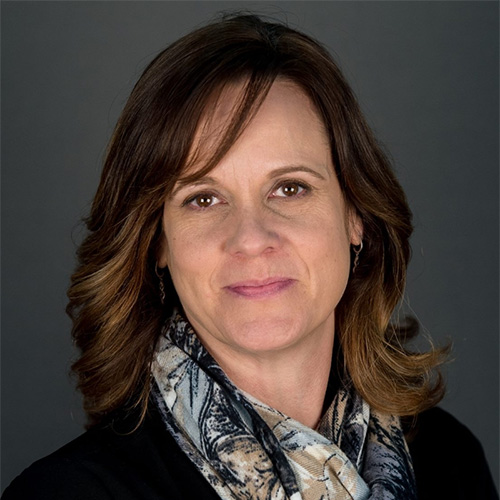
Andrea was born and raised in Spokane Washington, she moved to Montana with her husband in 2015. Andrea has been in the field of counseling since 2009. As a licensed addiction counselor, she worked primarily in addiction until 2018 when she completed her master’s degree in marriage and family therapy and became a license clinical professional counselor and a licensed marriage and family therapist. Andrea has worked with diverse populations and found her calling working with individuals and couples struggling with substance use and its relational impact. With a passion for recovery and healing families, Andrea has built a private practice in Missoula, MT and serves various populations. Andrea’s love for people and her desire to engage with, and promote, internal healing has fostered a truly unique role aiding individualized journeys in recovery. In her spare time, she enjoys her beautiful property west of Missoula with nature at her front and back doors. Her greatest joy in life is spending time with her granddaughter and breaking the cycle of addiction in her own family.